.avif)
Eye Health Information for Adults Over 65
Michael Halkias, O.D.

Maintaining healthy vision is a key aspect of overall well-being, especially for adults over the age of 65. As people age, their eyes are more susceptible to diseases like cataracts, macular degeneration, and glaucoma. These conditions can significantly impair vision, but early detection and treatment can help manage their impact. Regular eye exams become increasingly important as they can catch potential issues before they progress into more serious problems.
Adults over 65 should be proactive in learning about age-related eye health concerns. Vision changes are a natural part of the aging process, and understanding these changes can help individuals seek appropriate care. Common symptoms like difficulty reading or adjusting to glare may indicate the need for an updated prescription, or they may be signs of a more serious condition.
Understanding Common Age-Related Eye Conditions
Cataracts
Cataracts occur when the eye's natural lens becomes cloudy, often leading to blurred vision. This condition is typically treated with surgery, where the clouded lens is removed and replaced with an artificial one.

- Risk Factors: Aging, diabetes, smoking, prolonged exposure to sunlight
- Symptoms: Blurry vision, difficulty with night vision, fading colors
- Treatment: Cataract surgery
Age-Related Macular Degeneration (AMD)
Age-related macular degeneration causes damage to the macula, the central part of the retina, impacting central vision. There are two types: dry and wet AMD.
- Dry AMD: Characterized by yellow deposits (drusen) in the macula, leading to gradual vision loss.
- Wet AMD: More severe, caused by abnormal blood vessel growth under the retina, which can quickly lead to vision loss.
- Treatment: Includes nutritional supplements for dry AMD and anti-VEGF injections for wet AMD.
Glaucoma
Glaucoma is a group of diseases that damage the optic nerve, which is vital for good vision. This damage is often caused by abnormally high pressure in the eye.
- Types: Open-angle and angle-closure glaucoma
- Diagnosis: Regular comprehensive eye exams are crucial for early detection.
- Management: Treatment focuses on lowering eye pressure and may include medications, laser treatment, or surgery.
Diabetic Retinopathy
Diabetic retinopathy is a diabetes complication that affects the blood vessels of the retina. It can lead to progressive damage to the retina and potentially blindness if not managed properly.
- Stages: Non-proliferative (early) and proliferative (advanced)
- Symptoms: Often no early symptoms, but can include floaters, blurred vision, dark areas of vision, and difficulty perceiving colors.
- Treatment: Strict control of diabetes is key, along with laser treatment, injections, or surgery as the disease progresses.
Preventive Measures and Lifestyle Factors
Regular Eye Exams and Early Detection
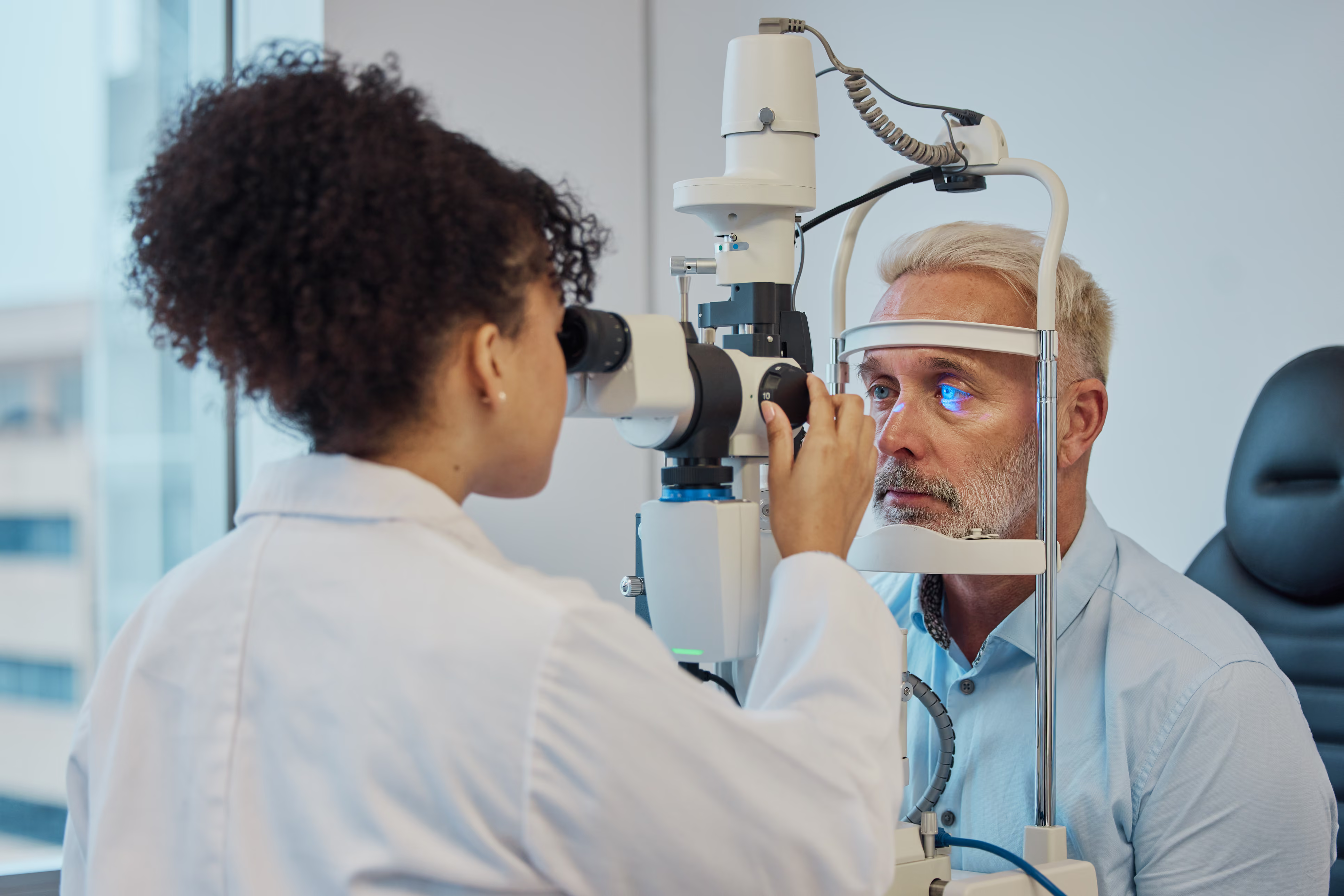
Regular eye exams are essential for the early detection of eye conditions that commonly affect the elderly, such as glaucoma, macular degeneration, and cataracts. Experts recommend that adults over 65 receive a comprehensive eye exam every one to two years. Early detection through these exams can lead to interventions that preserve vision.
Diet and Exercise
A balanced diet rich in vitamins C and E, zinc, lutein, and omega-3 fatty acids can help delay or prevent certain eye problems. Green leafy vegetables, fish, and non-meat protein sources are beneficial for eye health. Regular exercise contributes to maintaining a healthy weight, which reduces the risk of diabetes—a condition linked to eye issues.
Protective Eyewear and Lighting
Sunglasses are not just a fashion statement; they are necessary to protect eyes from harmful UV rays which can lead to cataracts. Adults should choose sunglasses with 100% UVA and UVB protection. Proper indoor lighting is also vital to avoid eye strain; one should ensure their living spaces are well-lit to reduce the risk of falls or accidents caused by poor visibility.
Treatment and Management Options
Prescription Medication
Prescription medications are a common approach to treating various eye diseases. Individuals may be prescribed eye drops for conditions such as glaucoma, which help to lower intraocular pressure, or antibiotics to treat infections. Pills or injections can also be administered for diseases like macular degeneration.
- Glaucoma: Prostaglandin analogs, beta-blockers
- Macular Degeneration: Anti-VEGF therapy
- Infections: Antibiotic drops or ointments
Laser Surgery and Procedures
Laser surgery and other procedures can be effective for conditions that are unresponsive to medication. These are more invasive than medication but can sometimes offer a more permanent solution or significant improvement.
- Cataracts: Phacoemulsification with intraocular lens implantation
- Glaucoma: Trabeculoplasty to increase fluid drainage
- Retinal Disorders: Photocoagulation to seal or destroy abnormal blood vessels
Vision Rehabilitation
Vision rehabilitation services can assist those who have experienced significant vision loss, aiding them in maximizing their remaining vision and adapting to changes. Rehabilitation may involve:
- Visual Aids: Use of magnifying glasses or reading glasses to enhance close-up vision.
- Adaptive Equipment: Tools and technology like talking clocks or large-print books.
- Orientation and Mobility Training: Learning to navigate environments safely with reduced vision.
Navigating Life with Vision Changes
Adaptive Devices and Aids
Individuals with low vision can benefit from a range of devices designed to facilitate daily tasks. Magnifiers can be handheld or stand-mounted, enlarging text and images for easier reading and viewing. There are also talking devices such as watches and blood pressure monitors that provide audio readings for those with vision impairment. High-contrast and large-print keyboards, phones, and appliance controls enable easier usage. Digital solutions include screen-reading software and voice-activated technologies that interpret or respond to spoken commands.
Home Safety and Mobility
Changes to the home environment can reduce the risk of falls and accidents, which are common issues for those experiencing vision changes. Increased lighting, particularly in stairways, hallways, and frequently used areas, is essential. Clearing paths of clutter and using non-slip rugs and mats improve mobility and safety. Bathrooms may require grab bars and shower seats to prevent slipping.
Support and Resources
Organizations like Eyecare America and the American Academy of Ophthalmology provide resources for individuals with low vision. They offer access to eye care professionals, information on living with vision changes, and guidance on the latest research and treatments. Community support groups and services are integral in helping individuals navigate these life changes, offering emotional support, practical tips, and connections with others facing similar challenges.
- Eyecare America: Offers eye care access and educational materials
- American Academy of Ophthalmology: Provides resources and professional guidance
- Local support groups: Connect with peers for support and shared experiences
- Driving assessments: To determine safety on the road, considering vision limitations